
Blog / Bill Page Toyota Service

Blog

All Bill Page Toyota Service Bill Page Toyota Falls Church Toyota Dealer Falls Church New Cars Falls Church New Toyota Falls Church Toyota Service Bill Page Toyota Finance Auto Repair Service Falls Church Used Cars Oil Change Falls Church, VA 2025 Toyota bZ4X 2025 Toyota Prius 2025 Toyota Supra 2026 Prius in Falls Church, VA 2026 Toyota Corolla Cross Inventory 2026 Toyota Corolla Cross Lineup 2026 Toyota Crown 2026 Toyota Crown Lineup 2026 Toyota GR Supra Lineup 2026 Toyota GR Supra Models 2026 Toyota GR86 Yuzu Edition 2026 Toyota GR86 Yuzu Edition in Falls Church, VA 2026 Toyota Grand Highlander 2026 Toyota Prius at Bill Page Toyota 2026 Toyota Tundra at Bill Page Toyota 2026 Toyota Tundra in Falls Church, VA Brake Service Hybrid MAX Pre-Owned Toyota Service team Summer tips for service Toyota Financing Toyota Service in Falls Church, VA Tundra lineup
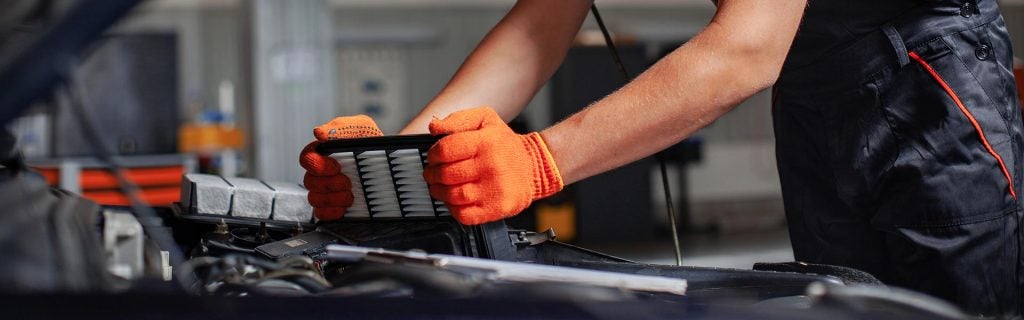
Mechanic replacing a car air filter.

How Often Should You Replace Your Car’s Air Filter?

Maintaining your vehicle’s performance and longevity requires attention to various components, including the air filter. But how often should you replace your car’s air filter? For drivers in Falls Church, VA, understanding this simple yet vital aspect of car care can save you from costly repairs and ensure a smooth driving experience. Let’s explore the importance of air filter replacement and provide some practical car maintenance tips to keep your vehicle running efficiently. more ## Why Is Your Car’s Air Filter Important? Your car’s air filter plays a crucial role in maintaining engine health by preventing dirt, debris, and contaminants from entering the engine. A clean air filter ensures optimal airflow, which is essential for proper combustion and fuel efficiency. Over time, however, the filter can become clogged, reducing engine performance and increasing emissions. For drivers in Falls Church, VA, where seasonal changes can bring varying levels of pollen and dust, regular air filter checks are particularly important. Neglecting this component can lead to reduced horsepower, poor fuel economy, and even engine damage. ## How Often Should You Replace Your Car’s Air Filter? The frequency of air filter replacement depends on several factors, including your driving habits, environment, and vehicle type. As a general rule of thumb, most manufacturers recommend replacing the air filter every 12,000 to 15,000 miles. However, if you frequently drive in dusty or polluted areas, you may need to replace it more often. Checking your owner’s manual is the best way to determine the specific recommendation for your vehicle. Additionally, during routine maintenance visits at Bill Page Toyota in Falls Church, VA, technicians can inspect your air filter and advise whether it needs replacement. ## Signs That Your Air Filter Needs Replacement Even if you’re following a maintenance schedule, it’s important to recognize the signs of a dirty or failing air filter. Here are a few indicators: - Reduced acceleration or sluggish performance - Decreased fuel efficiency - A noticeable increase in engine noise - A dirty or visibly clogged air filter when inspected If you notice any of these symptoms, it’s time to prioritize replacing your car’s air filter. Staying proactive with this simple task can prevent bigger issues down the road. ## Car Maintenance Tips for Prolonging Air Filter Life While replacing the air filter is inevitable over time, there are steps you can take to maximize its lifespan: 1. Regularly inspect the air filter during oil changes or routine maintenance. 2. Avoid driving on unpaved or dusty roads whenever possible. 3. Keep your vehicle’s engine bay clean to reduce debris accumulation. By incorporating these car maintenance tips into your routine, you can ensure that your air filter—and your vehicle as a whole—remains in top condition for longer periods. ## Keep Your Engine Breathing Easy So, how often should you replace your car’s air filter? For most vehicles, every 12,000 to 15,000 miles is a good benchmark, but factors like driving conditions and environment may require more frequent checks. Drivers in Falls Church, VA can rely on Bill Page Toyota for expert advice and service to keep their vehicles running smoothly. Don’t wait for performance issues to arise— schedule a maintenance appointment today and let our team help you stay on top of essential car care tasks!

Car Service

Preparing Your Toyota for Winter: Essential Maintenance Checklist

The frosts and snowstorms of a typical Virginia winter can be tough on cars, but a good winter maintenance plan will ensure your Toyota survives winter unscathed. As the cold months approach, it's wise to start preparing. The following Toyota winter maintenance checklist will guide you through winter this year. more Preparing Your Toyota for Winter: Essential Maintenance Checklist Test Your Car Battery Extreme cold can negatively impact a car's battery, slowing the battery's chemical processes and potentially forming internal condensation that leads to corrosion. On top of this, cold engines require a stronger voltage to start. So as winter approaches, have your battery checked and tested. If it's already weakening, install a new battery. Change Your Motor Oil Motor oil can thicken in the cold, meaning it takes longer to warm up and properly lubricate, accelerating engine wear and tear. It's therefore wise to change your oil before winter to ensure it's as fresh as possible. You might also opt for a thinner type of motor oil that handles freezing temperatures better. Install Solid Winter Tires Wintry roads are often wetter and more slippery. Your tires will encounter patches of packed snow and ice and are at risk of skidding. Winter tires are designed to remain fully pliant in freezing temperatures. Their larger tread voids and sharper void edges can also dig into packed snow more easily, holding better traction with the tarmac beneath. Prepare an Emergency Kit If your car breaks down during winter, you may be stuck in a dangerous situation. Prepare in advance with a winter emergency kit. This should include a blanket, first-aid kit, carjack, flashlight, shovel for snow, flares, water, food, and sand. Replace Your Windshield Wipers Winter windshield wipers are larger and made from a special rubber that's resistant to the cold. If you change your windshield wipers before winter sets in, you'll be better prepared for rain and snowstorms. Check Tire Pressure Frequently During winter, it's important to check your tire pressure more often. This is because the cold can cause a loss in air pressure, which is hazardous for your tires and road safety. Wash Your Car After Driving Roads are salted during winter, which makes driving safer, but all that salty slush wreaks havoc on the bodywork and undercarriage of cars. You can save your car's exterior from corrosion with a thorough cleaning after each drive. Ask a Technician for Help With Your Toyota Winter Maintenance Our experienced technicians can help you prepare your car for winter. Drop by for a chat any time. We'll be happy to offer our guidance and promptly carry out important winter maintenance tasks on your vehicle. Visit Bill Page Toyota in Falls Church, VA, today to have your car winterized by qualified professionals.

Oil Change Service

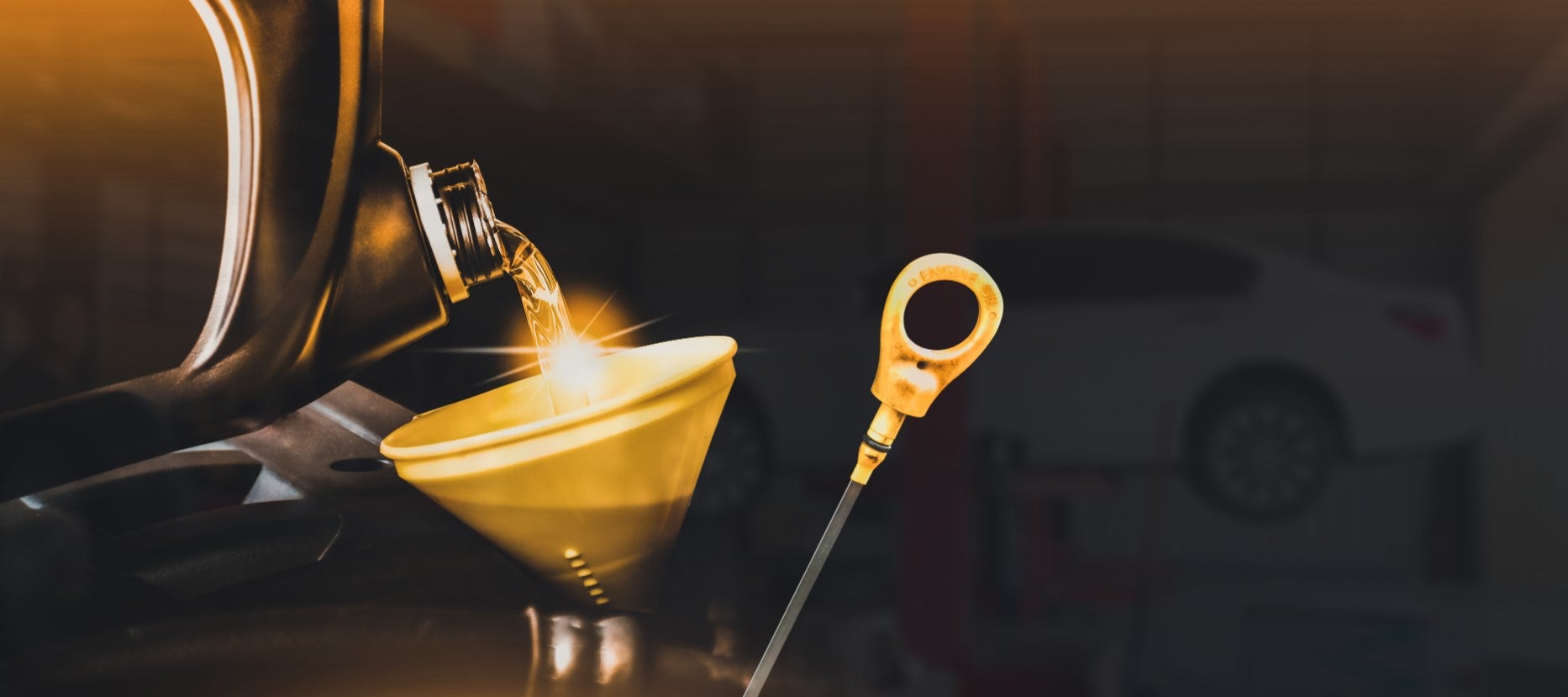
Oil Change Tips for Your Toyota

Getting an oil change from your Toyota dealer is the only way to keep your Toyota running at its best. Your engine needs clean oil to lubricate and protect the many moving parts against wear. When you change the oil regularly, your Toyota sedan, SUV, or truck will be more fuel-efficient and last longer. more Oil Change Tip for Your Toyota When You Should Change Your Car's Oil If you want your Toyota to run well for thousands of miles, the best thing you can do is to change the oil and filter at Toyota's recommended intervals for your specific model, which you'll find in your owner's manual. The latest Toyota vehicles have a system that monitors the oil level, temperature, and the miles you've driven. When your car needs new oil, you'll get a dashboard alert. When you visit us for an oil and filter change, our certified Toyota technicians use top-quality oil recommended by Toyota. Why You Should Change the Oil Regularly As you drive, dust and dirt from the air and heat and carbon from your engine break the oil down until it loses its protective qualities, causing a lot of friction and heat. If your engine doesn't get enough clean oil, it can mess it up badly, and you'll have to spend a pretty penny to fix it. Changing the oil before it gets too dirty will keep the many moving engine parts cool, clean, and lubricated. The oil will reduce friction between the moving engine parts and remove heat from your engine. How Your Driving Habits Influence Oil and Filter Changes How and where you drive your Toyota influences how often it needs new oil. If you drive your car a lot in stop-and-go city traffic, on uneven and dusty roads, or haul or tow heavy loads, you will need to change the oil more often to protect your engine. Ask us to help you with the right oil and filter change schedule for your driving conditions. The Best Oil for Your Toyota Using the right oil in your Toyota will make it more reliable and fuel-efficient and increase engine performance. Genuine Toyota and Mobil1 oil are hands down the best oils for your Toyota's engine. These oils will protect your engine parts against corrosion and rust buildup, prevent foaming, and properly lubricate the cylinder walls to increase your engine's performance. Synthetic or Conventional Oil Genuine Toyota Conventional Motor Oil is less expensive than synthetic oil. It protects your engine parts against rust and corrosion and can help save fuel when driving on open roads or highways. Regular oil and filter changes will improve your gas mileage, prevent costly repairs, and keep your car on the road for years. Stop at Bill Page Toyota in Falls Church, VA, today.

Car Service

5 Advantages of Regular Service Check-Ups at Your Toyota Dealership

Scheduling regular service appointments is one of the most important things you can do to maintain your Toyota. Oil changes, tire rotations, and tune-ups are all essential if you want to extend the life of your vehicle and ensure that it's safe to drive. When it comes to scheduling Toyota service appointments, there's no better place than your local Toyota dealer. more 5 Advantages of Regular Toyota Service Appointments at Your Toyota Dealer 1. You'll Nip Problems in the Bud Each time you bring your vehicle in for a routine service appointment, it gives one of our factory-trained technicians a chance to look beneath the hood and check out the major mechanical systems. These service check-ups allow us to identify emerging mechanical issues when they're still small and when repairs are a whole lot easier and less expensive to carry out. 2. You'll Ensure Peak Performance If essential fluids aren't routinely topped off and vehicle parts are allowed to wear down, your Toyota's overall efficiency will start to deteriorate. Routine maintenance keeps your car running at its peak, ensures that it handles responsively, and helps you achieve better gas mileage. A well-maintained vehicle is also more enjoyable to drive. In addition, adhering to a maintenance schedule keeps your vehicle safe on the road. Your vehicle's brakes, headlights, and tires all play essential roles in your Toyota's safe operation. 3. You'll Extend the Life of Your Vehicle Car's that aren't well-maintained experience premature wear and tear. But keeping up with those routine service appointments keeps your car on the road for longer, saving you the expense of replacing it. You'll have the luxury of upgrading to a new car when you want to, not because you have to because of mechanical issues. 4. You'll Preserve the Vehicle's Resale Value If you do eventually decide to sell the vehicle, you'll get more for it if you've kept up with routine maintenance using qualified technicians. Be sure to save the documentation of each of your service appointments so that you can demonstrate your care of the vehicle to potential buyers. 5. You'll Enjoy Peace of Mind When you've taken the time to maintain your vehicle, you can drive with confidence knowing that you and your passengers are safe. You also won't have to worry about the hassle and inconvenience of unexpected breakdowns and mechanical issues. Consistently maintaining your vehicle allows you to enjoy using the vehicle without worry. The benefits of following a schedule of regular vehicle maintenance are clear, and keeping up with recommended services is easy when you're working with our service department. When you're ready to schedule your next appointment, give us a call at Bill Page Toyota in Falls Church, VA.

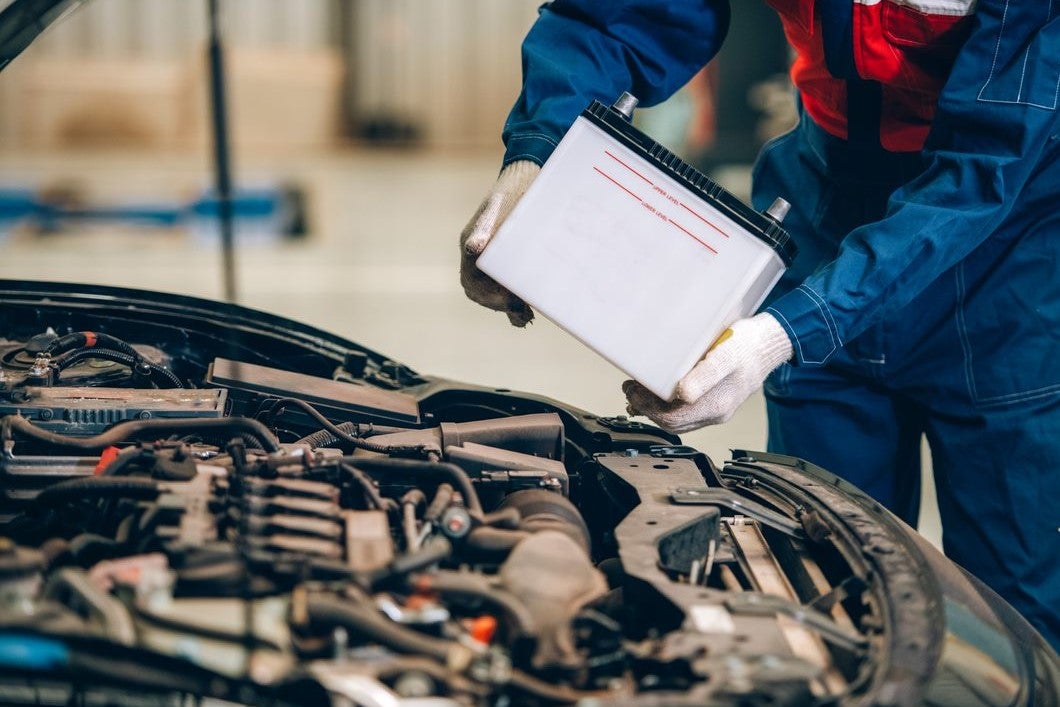
car battery installed

7 Signs Your Toyota Needs a New Car Battery

Are your headlights and other vehicle electronics suddenly fading? Are you struggling to start the engine in the morning? If so, your battery might be on its last legs. If you're currently experiencing the following battery-related issues, you might need to visit your nearest Toyota dealer for a new car battery before your car refuses to start at all. more Misbehaving Electronics Similarly, if only one of your car's electronic accessories stops working, it might have a fault. If several of your electronics start malfunctioning at the same time, check the condition of your battery. Slow Engine Starts One of the most important functions of the battery is to deliver a strong charge to the starter and spark plugs when you start the engine. An aging or damaged battery will struggle to provide the necessary voltage, making it harder to start your car. Misfiring Spark Plugs When the engine's running, the battery also supplies the ignition coils and spark plugs with electricity, allowing the cylinders to fire. Therefore, a failing car battery might also lead to misfiring spark plugs. This will cause your engine to cough and sputter. Warped Battery Casing You can pop the hood to visually check the condition of your car battery. If the casing walls are perfectly straight, it might still be fine. However, if the casing has become warped in any way, the battery will probably have to go. Signs of Corrosion Also, look for white or green corrosion on the terminals at the top of the battery. A battery with corroded terminals won't be able to send full voltage to the other car parts. You might be able to clean a little corrosion, but excessive corrosion usually spells the end for the battery. Rotten Egg Smell If a battery becomes severely damaged, it can crack open and leak battery acid. This creates a strong sulfury, rotten egg stench that you're likely to smell from inside your car. A leaking battery should always be replaced. Ask Your Toyota Dealer To Test Your Car Battery You can have your car battery tested at any time at your local dealership. As car batteries tend to last from three to five years on average, it's a good idea to have your battery tested more frequently once it reaches three years of age. Visit Bill Page Toyota in Falls Church, VA, today to have your battery examined or replaced by experienced technicians. We've been providing the region's drivers with great cars, great deals, and great service since 1969.

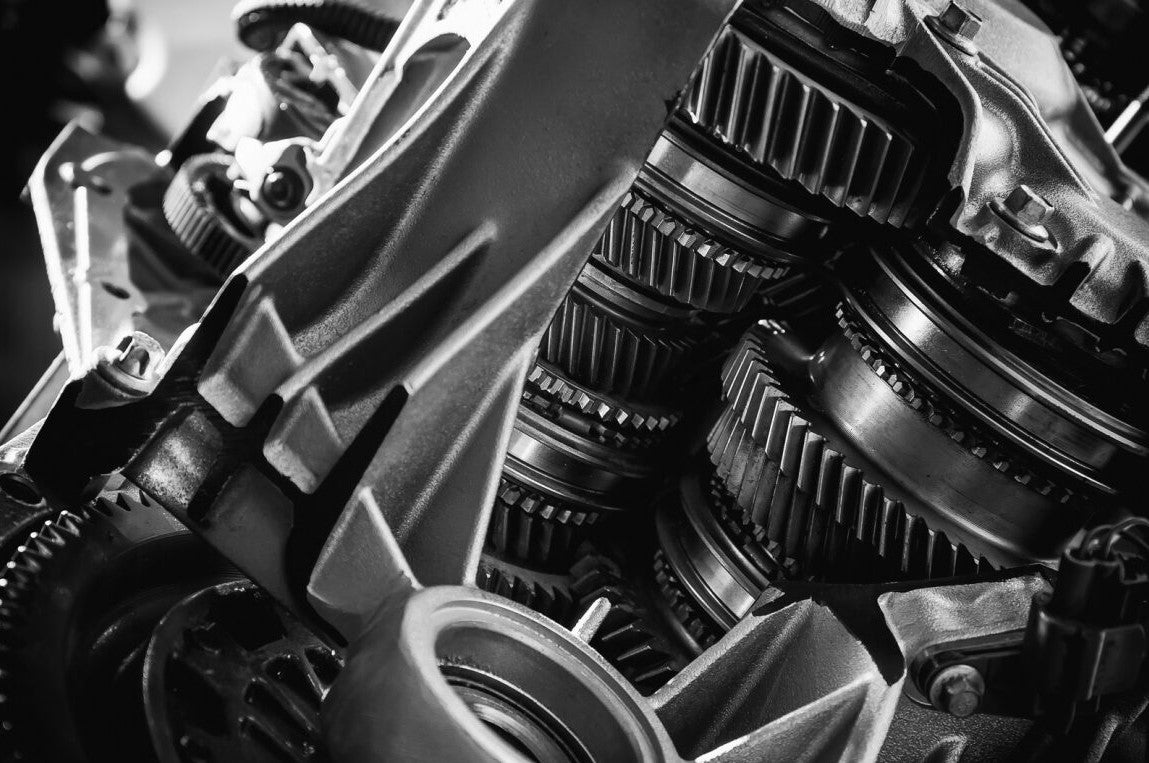
Transmission gears exposed

Transmission Health: Keeping Your Toyota in Top Gear

​​​​​​​​​​​​​​​​​​​​​​​​​​​​​​​​​​​​​​​​​​​​​​​​​​​​​​​​​​​​The transmission works with your engine to move your Toyota. The engine generates energy, and the transmission focuses this energy to enable your wheels to move at the speed you require. Like any other system, its components can become worn or damaged, which leads to transmission problems. As your Toyota dealer, we'd like you to know a few signs that you may need to visit us for a transmission repair. more Signs You Need a Transmission Repair at Your Toyota Dealer Leaking Transmission Your transmission is filled with fluid, which provides the vital hydraulic power to allow the gears to shift. Transmission fluid is pumped through the transmission at high speed, and its constant movement helps to cool the hot components. The fluid also protects these components from friction damage by supplying them with a friction-resistant coating. If you spot a puddle of bright or dark red fluid underneath your car, you have a transmission leak. In this situation, we advise that you contact our service department ASAP so we can trace and fix the leak. If you drive with a leak, your transmission could overheat and transmission components could suffer excessive damage. Most transmission leaks are swift and easy to repair, as they are usually due to a worn transmission pan gasket. Odd Noises Your Toyota's transmission doesn't make any sound as the gears shift. If you hear odd noises from the transmission, this is a sign of trouble. The noises you hear will vary, depending on the specific issue. The most common sound you'll hear is a slight buzzing that will become louder and more persistent as time passes. These strange noises could be due to a broken linkage, damage to the torque converter, or damaged gears. Fortunately, one of the main causes of these sounds is a low transmission fluid level. We'll examine your transmission, identify the cause of the sounds, and fix it. Gear Slipping When the gears shift, they should automatically remain in the new gear until they shift again according to the instructions of your transmission computer. Slipping gears is a scary situation where your transmission will, without warning, shift into another gear. You'll experience a shudder from your Toyota as the gears are forced into a different position, and this shudder is accompanied by grinding noises from the gears. If your transmission is slipping gears, driving will become more dangerous. Our expert technicians will need to examine your transmission to identify the reason for the fault. This issue could be caused by worn gear teeth, an error in the transmission computer, or a lack of transmission fluid. This problem can often be swiftly and inexpensively repaired when it first begins. Transmission problems will slowly worsen as time passes, and they must be fixed to prevent further damage. Call us today at Bill Page Toyota in Falls Church, VA.

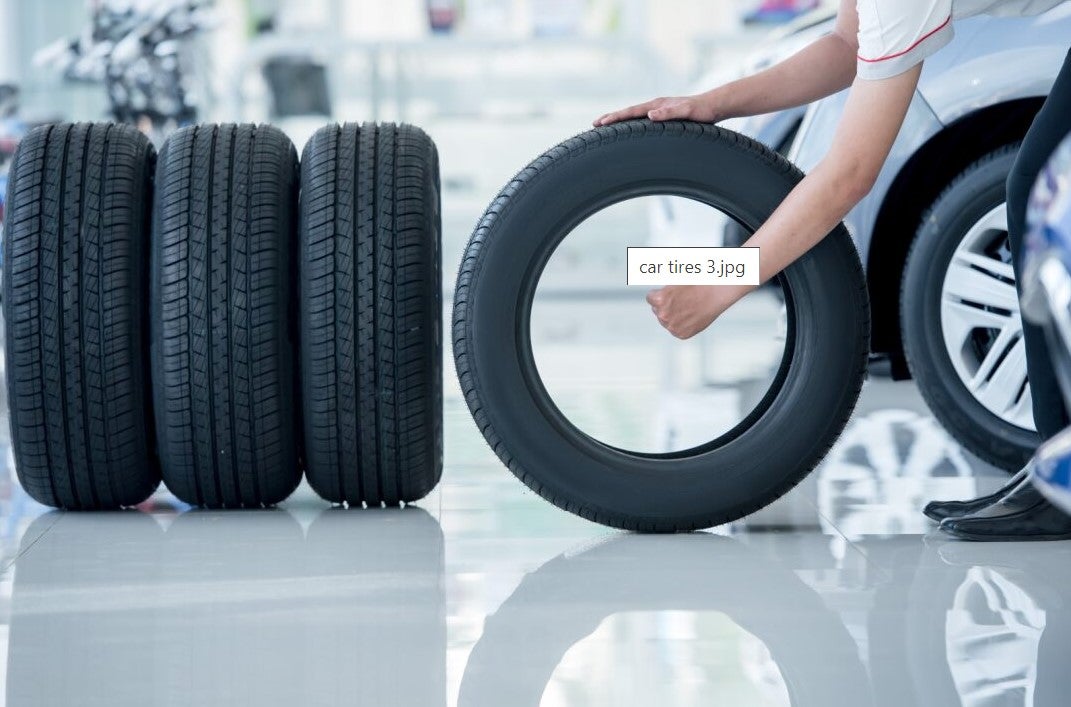
tires

3 Signs Your Toyota Needs New Tires

​​​​​​​​​​​​​​​​​​​​​​​​Healthy tires are essential for driving safety. As time passes, your tires will become worn or damaged and you'll need replacements. As your Toyota dealer, we'd like to tell you some signs that you may need to visit us for new tires very soon. more Signs You Need New Tires From Your Toyota Dealer Worn Tread The tread is the raised section of the tire that's in contact with the surface. It provides friction against the surface when you brake, and it also allows the tire to grip the surface. It's also the part of a tire that suffers the most damage through abrasion, so it has metal and composite reinforcement strips underneath the to give it additional strength. The tread slowly wears down as minute pieces of rubber fleck off. As the tread level drops, the tires take longer to stop due to the reduced friction provided by the smoother tread. The minimum safe tread height is 2/32", which makes it important to check your tread regularly, particularly if your tires are older. We'll examine your tread and advise if the tire or tires are still safe to drive on. We can also replace and balance your tires if needed. Bulges A bulge or bubble in a tire is a raised section filled with air. It's usually caused by part of the tire being pinched against a solid object, like the curb. A bulge in a tire makes that tire more prone to a blowout, as the rubber covering the section is stretched thinner than the rest of the tire. When you're driving, the air inside a tire heats up due to friction with the surface. As the air inside the tire gets hotter, the tire pressure rises. The combination of a weakened tire section and increased internal pressure can easily cause the bubble to burst and blow out. We advise visiting our service department ASAP if you discover a bulge in one of your tires. Cracks Modern tires are scientifically engineered for strength and longevity. They last longer than ever before, but they will get damaged over time. When a tire is new, the rubber is flexible, which helps protect it and enables it to provide the grip you need when you're driving. Exposure to heat, cold, water, and even sunlight gradually causes a tire to lose this flexibility. As the rubber becomes less flexible, it's more likely to develop cracks. These cracks will widen and deepen as the rubber heats up when you're driving. If a crack runs deep enough into the rubber, it will cause a leak. Our technicians will examine any cracks and can advise if a tire needs replacement. If your tires look worn or damaged, visit our service department today at Bill Page Toyota in Falls Church, VA.

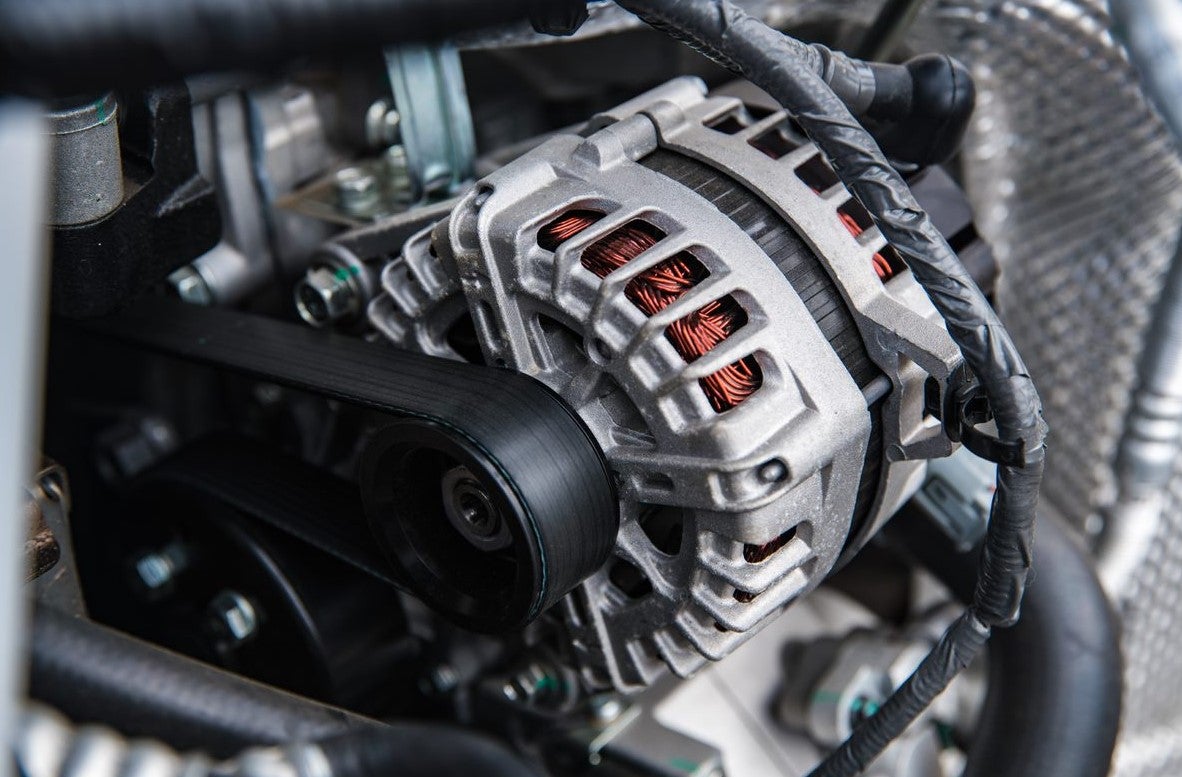
Alternator

Early Signs Your Toyota May Need an Alternator

​​​​​​​​​​​​​​​​​​​​​​​​​​​​The alternator is the most vital part of the electrical system as it supplies the power that most of your car's systems require. Over time, the alternator can become worn or damaged, and problems will develop. If this happens, it is time to visit your friendly Toyota dealership for an alternator repair. These are a few signs that your alternator could be going bad. more Signs You Need an Alternator Old Alternator The alternator is strong and contains very few easily damaged parts, but it can still wear out. On average, an alternator has a useful lifespan of eight years. As the alternator ages, parts wear out, and it gradually slows down. The slowdown of the alternator affects all your car's systems, as its reduced speed means less electricity is produced and supplied to your Toyota. The battery warning light will illuminate when the alternator's output drops to 13 volts or less. Your car's systems will display a variety of issues ranging from electrical glitches to engine stalling, and these issues will become more frequent as time passes. We can easily resolve these problems by replacing the alternator. Broken Rectifier The rectifier is a small component inside the alternator that converts AC to DC. This conversion is essential for your electrical system, as your car's systems can only use DC, while the alternator produces AC. A rectifier can fail due to wear or damage, which shuts down the conversion process. The alternator will continue to supply power, but your car's systems will switch to drawing DC from the battery. A car battery isn't designed to supply power to all your car's systems when the engine is running, as it only has limited electricity storage capacity. A failed rectifier will cause the battery warning light to illuminate in response to this problem immediately. The battery will steadily drain, and your engine will shut down in less than an hour as the electricity reserves are depleted. Our technicians will replace the rectifier, and your car's systems will work again. Broken Bearing A clunking or grinding noise from the engine and an illuminated battery light are signs that your alternator is in trouble. An alternator spins at high speed to produce electricity. This high-speed movement is possible as the alternator sits on special bearings. As time passes, a worn bearing can break, and this produces a grinding or clunking noise as the alternator moves. A broken bearing slows down the alternator, and this slowdown reduces electricity production. The healthy bearing has to carry more of the load, and this can cause it to also fail. Without the bearings, the alternator will shut down. We'll replace both bearings to fix this issue. If you think your alternator could be failing, call our service department ASAP at Bill Page Toyota in Falls Church, VA.

mechanic

5 Benefits of Genuine OEM Parts for Your Toyota

Genuine Original Equipment Manufacturer (OEM) parts offer a level of quality and compatibility that aftermarket parts may not be able to match. Here are a few thoughts from your local Toyota dealer about the benefits of using genuine OEM parts for your Toyota. more 5 Benefits of Genuine OEM Parts: Thoughts from Your Toyota Dealer Ensuring Perfect Fit and Compatibility One of the primary advantages of parts from the original manufacturer is their guaranteed fit and compatibility with your Toyota. These parts are designed and manufactured specifically for your vehicle model, ensuring a perfect fit. This compatibility significantly reduces the risk of damage caused by ill-fitting parts, ensuring that your Toyota runs as efficiently and safely as possible and that you don't void your warranty because a poorly fitted part causes damage to other parts. Maintaining High-Quality Standards Original parts are made to the same high standards as the components used in the original manufacture of your Toyota. This means that when you choose parts from the original manufacturer, you're opting for quality and reliability. These parts are rigorously tested to ensure they meet Toyota's strict quality criteria, offering peace of mind that the parts you are using will perform as expected, and for as long as expected. Preserving Vehicle Value and Warranty Using genuine parts helps in preserving the resale value of your Toyota. When it comes time to sell or trade in your vehicle, prospective buyers often view original parts more favorably than aftermarket alternatives. Additionally, using parts from the original manufacturer ensures that your vehicle's warranty remains intact. Ensuring Longevity and Performance Original parts are designed to work optimally with the other components of your Toyota, which can lead to a longer lifespan and better overall performance. This perfect synergy between parts ensures that your vehicle continues to operate as efficiently as it did when it was new, providing you with a smooth and reliable driving experience. Access to Expert Support and Advice Purchasing genuine parts from an authorized dealer offers access to expert advice and support. Their knowledgeable staff can assist you in choosing the right parts for your specific model, and also provide tips on maintenance and installation. This level of expertise is often just not available when purchasing aftermarket parts. For the best selection of genuine parts for your Toyota, and for expert advice on maintaining your vehicle, contact Bill Page Toyota today or come in and talk to us in person. Our team of experts here in Falls Church, VA, is ready to provide whatever service you need for your vehicle, from routine maintenance to necessary repairs. Your Toyota deserves the best, and so do you.

Contact Us

Fill out this form below and we'll contact you shortly
*Required Fields